September 8, 2026 · 4 min read
How to Lose Menopause Belly Fat
By The Menopause Diet Plans Team — evidence-based nutrition writers
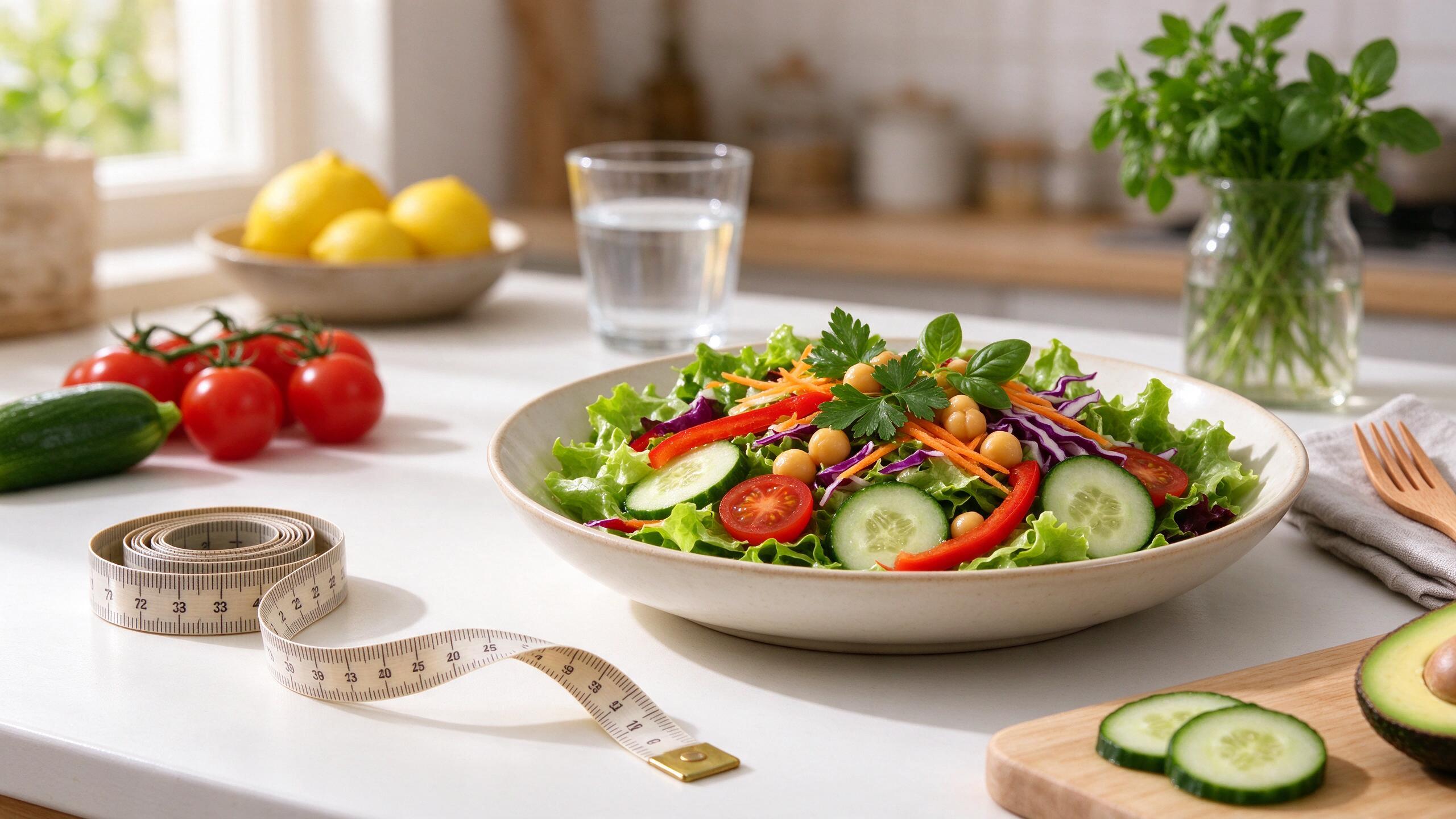
Ask a group of women over 45 what frustrates them most about their bodies and the answer is often the same: the middle. Fat that used to sit on the hips and thighs now seems to gather around the waist, and it can feel stubborn in a way it never used to. Here is the good news and the honest news. You cannot target belly fat with crunches, but the habits that reduce fat overall are exactly the habits that tend to trim the middle first.
Why Belly Fat Increases During Menopause
Many women notice fat shifting toward the abdomen during the menopause years, and there are several understandable reasons. Muscle mass declines gradually with age when it is not trained and fed, which lowers daily calorie burn. Everyday activity often drops during the same busy decades. Sleep gets shorter and more broken for many women. And the place your body prefers to store fat can change with age. Stack those together and the result is a slower calorie budget plus a body that stores more of any surplus around the middle.
You Cannot Spot-Reduce—But You Can Target the Middle
Doing five hundred crunches will strengthen your core, which is genuinely useful for posture and back comfort, but it will not burn the fat sitting on top of those muscles. Fat comes off where your body decides to take it from, usually the whole body at once. What you can control is creating a modest calorie deficit, protecting muscle with protein and strength training, and reducing the habits that encourage fat storage—especially poor sleep, excess alcohol, and constant grazing on sugary snacks.
Build Your Plate Around Protein and Fiber
Two nutrients do most of the heavy lifting for a smaller middle: protein and fiber. Protein keeps you full and protects muscle while you lose fat; fiber adds volume and slows digestion so meals last. A simple template works well: fill a quarter of the plate with a clear protein source, half with vegetables or fruit, and the remaining quarter with a smart carb like quinoa, beans, or potatoes. This is the shape of nearly every recipe on this site, and it is deliberately easy to eyeball without scales or apps.
Strength Training Beats Endless Cardio
If you only had time for one form of exercise, make it resistance training twice a week. It preserves the muscle that keeps your metabolism from sliding and improves posture, which alone can make your middle look and feel leaner. Walking and other cardio still help by burning calories and supporting heart health, but hours of cardio without strength work can cost you muscle—the opposite of what you want. Train the whole body: squats, hinges, pushes, pulls, and carries.
Sleep, Stress, and Wine O'Clock
Three quiet habits have an outsized effect on the waistline. Short sleep raises appetite and cravings, so a consistent bedtime and caffeine cutoff matter more than most people expect. Stress drives mindless grazing and evening snacking, so building a real wind-down routine pays off. And alcohol is the classic middle-expanding habit—empty calories that also loosen your food choices. Cutting back on weekday drinks is one of the fastest ways to see change around the middle, and it is easier than cutting out food you actually need.
How Long It Takes
Middle fat usually responds to consistent habits within four to twelve weeks, though the scale and the tape measure rarely move in a straight line. Water retention, sleep, and salt can all mask real progress for a week or two. That is why a weekly waist measurement and monthly photos tell you more than a daily weigh-in. If you are losing half a pound to a pound a week and getting stronger, you are on track even on the weeks the mirror is not cooperating.
One more habit is worth naming: track something, but only one thing. Weigh in weekly, measure your waist weekly, or note how many strength sessions you completed—not all three and not every day. What gets measured gets attention, and attention is what keeps the protein, the walking, and the sleep on the calendar long enough for the middle to change. If you have not tracked anything in months, tracking your strength sessions is the most motivating place to start.
Six Habits That Shrink the Middle
- •Eat 25 to 30 grams of protein at every main meal.
- •Fill half your plate with vegetables or fruit at lunch and dinner.
- •Strength train twice a week and add a walk on most other days.
- •Cap added sugar and keep dessert to planned occasions.
- •Cut back on alcohol, especially on weeknights.
- •Protect your sleep and set a consistent lights-out time.
Belly fat in midlife is not a moral failing and it is not permanent. It is the visible result of a few predictable forces—and predictable forces can be managed. Start with protein, strength training, and sleep, keep the alcohol in check, and let time do its work. Our meal plans lay out complete days at several calorie levels if you would rather follow a structure than build one from scratch.